
Content typology :
Story
A project by France Active Savoie Mont-Blanc

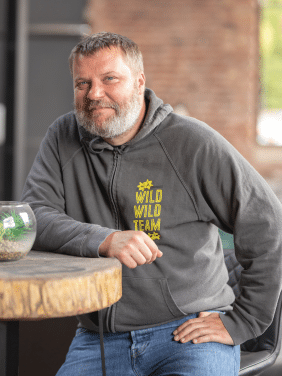
Cédric BLOTTIAUX

Resource Development Manager, Espoir 73 (Fromagerie Le Habert, agricultural ESAT )

Industry sector :
Entremont-le-Vieux (73)

Through our housing solutions and our agricultural ESAT, we support the independence, daily living, and professional development of people with mental disabilities.

Lieu :
Auvergne-Rhône-Alpes
Savoie (73)
Sector :
Solidarity & inclusion

With a investment of

€30,000


Supported by

France Active Savoie Mont Blanc in 2023

Integration from field to plate

With its 130 employees, the Espoir 73 association has become a major player in the social and solidarity economy (SSE) in Savoie since 1990. It has achieved this through its various entities, which support nearly 500 people each year (housing, medical care facilities, a training centre, and an ESAT integration support service focused on agricultural, industrial, logistics, landscaping, sanitation, and cleaning activities, among others). “This is a comprehensive social, professional, and agricultural project that is deeply rooted in its local community,” confirms Cédric Blottiaux, resource development manager.

Independence, empowerment, and quality of life

The ESAT Le Habert, located in Entremont-le-Vieux, in the heart of the Chartreuse mountains, is part of this medical-social network. What sets it apart? It supports people with mental disabilities through its housing and training programs in agricultural trades. “The organization was founded in 1998 with the goal of reintegrating people into local and professional life by fostering their independence, empowerment, and quality of life through agricultural work.”

Over the years, the project has expanded to include a cattle farm, a cheese dairy, brush-clearing and vineyard maintenance services, and even an inn—covering every link in the chain from farm to table. 

In recent years, the ESAT has expanded the livestock barn and modernized the inn. “Our goal was to further professionalize our work tools to bring them as close as possible to what you find elsewhere in the mountains in the mainstream workforce.” As part of this effort, one aspect still needed attention: the cheese factory, which also required significant renovations due to its aging infrastructure. 

Becoming a cheesemaker in an optimized work environment

Extensive renovations were then carried out: modernizing and securing workstations, expanding the production area, bringing the facility up to current hygiene standards, and upgrading the plumbing, electrical systems, floors, and ceilings—with a particular focus on energy savings. 

To finance this project, which costed 500,000 euros, the Le Habert cheese factory secured substantial grants. It also turned to the regional chapter of the France Active network in Savoie and Haute-Savoie for additional support. “We knew we could count on this long-standing partner, which has followed Espoir 73’s progress over the years.” 

After several months of construction, the renovated cheese factory was inaugurated in May 2025. Every apprentice cheesemaker can now benefit from this new, modern, and comfortable work environment, which meets the highest health and environmental standards. “We’ve thus raised the level of professionalism. Our goal is to create the conditions that will increase the number of graduates moving into the mainstream workforce,” concludes Cédric Blottiaux. 

Perspective from the France Active Advisor

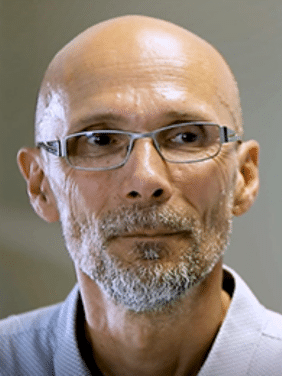
Maud Frasson, co-director in charge of the Social and Solidarity Economy 

We’ve been working alongside the Espoir 73 association for years, because our mission is to support social and solidarity economy (SSE) organizations in our region at every stage of their development. So when the Le Habert cheese factory needed help, they turned to us once again. They had already secured investment grants for their renovation work. With the zero-interest loan we provided, we sought to create a leverage effect and help bolster the project’s credibility with public funders and banking partners. Helping them seemed like a no-brainer, given their active role in both rural revitalization and the integration of particularly vulnerable individuals.”